Manual Therapy
Stretching and mobilization
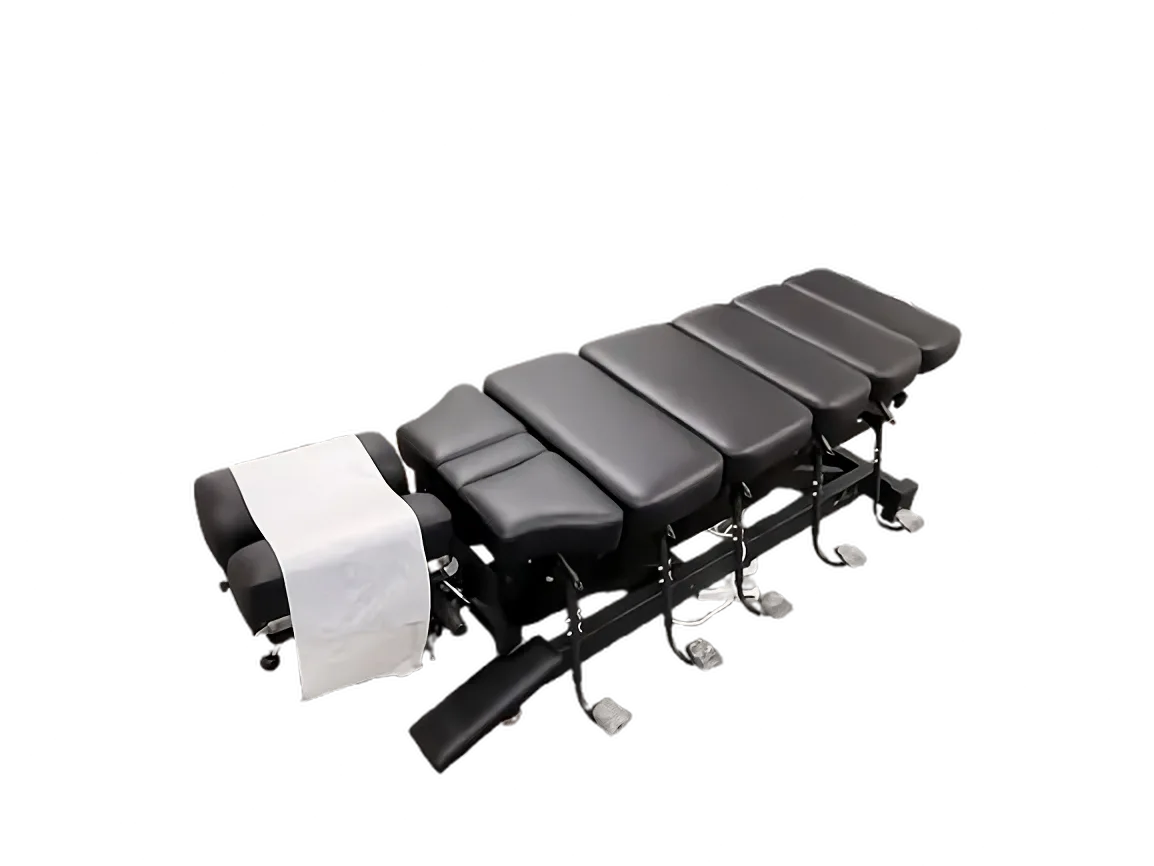
Manual therapy covers the hands-on techniques used to restore motion and function to muscles and joints affected by injury: guided stretching, joint mobilization, and soft tissue work performed directly by the provider.
Where machines deliver a consistent therapy to an area, manual therapy responds in real time. The provider feels how the tissue and joints are moving and adapts the technique moment to moment. Research supports combining manual therapy with exercise, which studies suggest works better than either one alone for neck pain.
What it can help with
- Limited range of motion
- Joint stiffness after injury
- Muscle tightness and imbalance
- Movement compensation patterns
- Recovery of normal function
What a session is like
The provider moves, stretches, and applies pressure to the affected muscles and joints while checking your comfort and range of motion throughout. Treatment is adjusted in real time based on how your body responds.
Who it may not be right for
- A recent fracture, dislocation, or significant bone disease
- Active or suspected cancer affecting the treated area
- Severe osteoporosis
- A serious disc problem or certain neurological conditions
When to seek emergency care
Manual therapy treats comfort and mobility and is not a substitute for emergency care. Seek immediate medical attention for numbness, weakness, loss of movement, or any change in bladder or bowel control.
Medically reviewed
Reviewed by Dr. Milad Mandavi, D.C., California Chiropractic License #37275. Last reviewed July 11, 2026.
- Efficacy of manual therapy and exercise for non-specific neck pain: a systematic reviewAccessed 2026-07-11
- High-Velocity Low-Amplitude Manipulation Techniques (StatPearls)Accessed 2026-07-11
This information is for general education and is not a substitute for individual medical advice. Talk with a qualified provider about your specific condition.
Common questions
How is manual therapy different from massage?
Massage focuses on general relaxation of muscle tissue. Manual therapy is clinical treatment with a specific goal: restoring measurable motion and function to injured muscles and joints as part of your care plan.
Does it hurt?
Some techniques involve firm pressure or stretching at the edge of your comfortable range, but treatment should stay within your tolerance. The provider checks in throughout and adjusts immediately.
Why combine manual therapy with the machine therapies?
The machines prepare the tissue by reducing pain, warming muscle, and improving circulation. Manual therapy then works to restore the specific motion the injury took away. Research suggests combining manual therapy with exercise supports better recovery than either approach alone.
The information on this website is provided for educational purposes only and should not be considered medical advice. Individual treatment recommendations are based on a comprehensive examination and clinical findings.